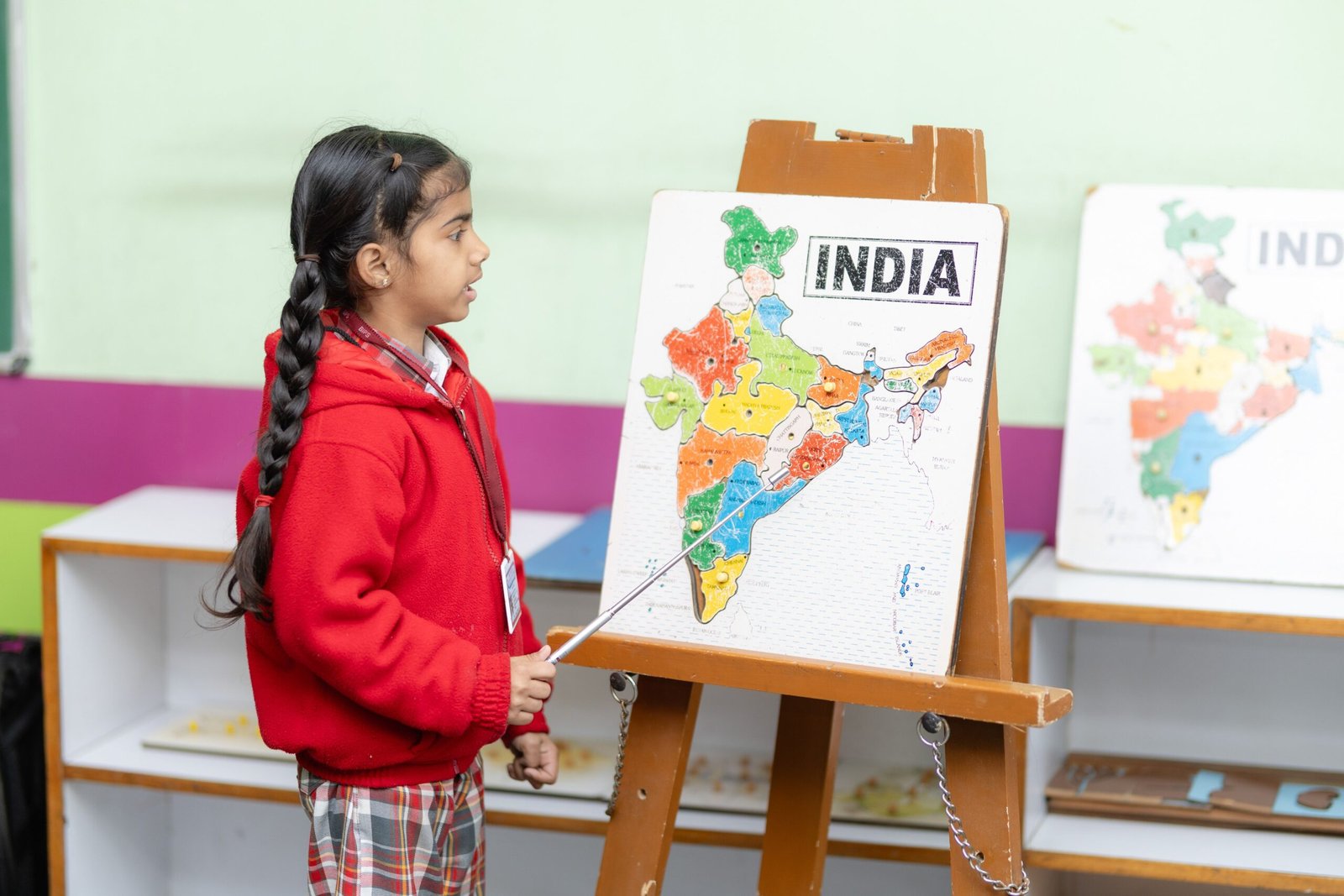
A child’s school experience plays an important role in shaping their personality, knowledge and attitude towards learning. Students perform better when they feel comfortable asking questions, expressing ideas and participating in classroom activities. A positive learning environment gives children the support and encouragement they need to develop these abilities.
Modern education is not limited to completing textbooks or preparing for examinations. It also focuses on building confidence, communication skills, creativity and independent thinking. Parents searching for the Best School in Faridabad should therefore consider how a school supports students both academically and personally.
What Is a Positive Learning Environment?
A positive learning environment is a school atmosphere where students feel safe, respected, encouraged and motivated to learn. It includes the classroom, relationships with teachers, interactions with classmates and the overall school culture.
Such an environment allows children to learn without feeling unnecessarily afraid of making mistakes. Students are encouraged to participate, share opinions and improve their understanding through practice.
Important features include:
- Supportive and approachable teachers.
- Respectful relationships between students.
- Clean and comfortable classrooms.
- Clear classroom rules and expectations.
- Opportunities for questions and discussions.
- Encouragement for individual progress.
- Appropriate academic and emotional support.
When these elements work together, students can develop a more positive attitude towards education.
1. Builds Confidence Through Classroom Participation
Confidence develops when students get opportunities to express themselves and take part in learning activities.
In a supportive classroom, children are encouraged to answer questions, participate in discussions and share their ideas. Even when their answers are incorrect, constructive feedback helps them understand mistakes and improve.
Activities such as presentations, group discussions, storytelling and classroom projects can gradually help students become more comfortable speaking in front of others.
This confidence can also benefit them outside school, particularly when communicating with new people or participating in group activities.
2. Encourages Students to Ask Questions
Asking questions is an important part of learning. Children understand subjects more effectively when they can clarify doubts and explore topics beyond the information presented in textbooks.
A positive classroom culture encourages curiosity rather than discouraging students from asking questions.
Teachers can support this by:
- Giving students enough time to express their doubts.
- Explaining difficult topics in simple language.
- Encouraging classroom discussions.
- Connecting lessons with everyday examples.
- Welcoming different viewpoints.
- Providing additional explanations when needed.
When students feel comfortable asking questions, they become more active participants in their education.
3. Improves Academic Performance
A comfortable and organised classroom can help students concentrate on their lessons. When children receive clear explanations and appropriate guidance, they can develop a better understanding of academic subjects.
Teachers can improve learning through interactive lessons, practical examples, assignments and regular assessments.
A positive learning environment also helps students recognise their strengths and identify areas where they need additional practice.
Academic improvement is not always immediate. Consistent encouragement and regular feedback help students make progress over time.
4. Develops Independent Thinking and Problem-Solving Skills
Students need opportunities to think independently rather than depending entirely on teachers for every answer.
Problem-solving activities, research assignments and classroom projects encourage children to explore different approaches.
For example, a mathematics activity may ask students to solve a problem using more than one method. A science project may encourage them to observe, investigate and explain their findings.
These experiences help students develop:
- Logical reasoning.
- Analytical thinking.
- Decision-making abilities.
- Creativity.
- Independent learning habits.
- Confidence in solving challenges.
Such skills are useful in higher education and everyday situations.
5. Creates Better Relationships Between Teachers and Students
Teachers have a significant influence on students’ learning experiences. A respectful and supportive relationship can make children feel more comfortable discussing academic difficulties and personal concerns.
Students are more likely to participate when they believe their teachers listen to them and treat their questions seriously.
Teachers can build positive relationships by:
- Listening carefully to students.
- Giving constructive feedback.
- Recognising individual progress.
- Treating students fairly.
- Encouraging participation.
- Providing guidance when difficulties arise.
A supportive teacher can help students develop a stronger connection with learning.
6. Encourages Healthy Relationships Among Classmates
School is one of the first places where children regularly interact with people from different backgrounds and with different interests.
Classroom activities, team projects and sports help students understand cooperation and respect.
Positive peer relationships can encourage children to:
- Share ideas and resources.
- Work towards common goals.
- Respect different opinions.
- Develop communication skills.
- Help classmates when appropriate.
- Understand teamwork and responsibility.
Schools should also promote respectful behaviour and address bullying or exclusion so that students feel safe and included.
7. Reduces the Fear of Making Mistakes
Many children hesitate to participate because they are afraid of giving incorrect answers or being criticised.
However, mistakes are a natural part of learning. A positive classroom helps students understand that errors can provide useful opportunities for improvement.
Teachers can encourage this attitude by explaining incorrect answers patiently and helping students identify where they went wrong.
This approach can help children become more willing to try challenging tasks and develop confidence in their abilities.
8. Supports Emotional and Social Development
Academic knowledge is only one part of a child’s growth. Students also need to develop emotional awareness, self-control, empathy and communication skills.
A positive school environment can support these qualities through everyday interactions and structured activities.
For example, group discussions may teach students to listen to others, while classroom responsibilities can encourage accountability.
Schools can also support emotional development by creating opportunities for students to discuss concerns and seek guidance when needed.
9. Makes Learning More Interesting Through Activities
Students do not always learn best by listening to lectures or reading textbooks. Practical activities can make lessons easier to understand and remember.
Schools can use different teaching methods to support student engagement.
Group projects: Encourage teamwork, communication and shared responsibility.
Science experiments: Help students understand concepts through observation and practical learning.
Art and craft: Support imagination, creativity and self-expression.
Debates and presentations: Improve communication and confidence.
Educational games: Make selected concepts more interactive and enjoyable.
A balanced combination of classroom teaching and activities can create a more engaging learning experience.
10. Develops Discipline and Responsibility
A positive learning environment does not mean that students have no rules or responsibilities. Clear expectations help children understand appropriate behaviour and manage their daily routines.
Schools can encourage discipline through:
- Regular attendance.
- Timely completion of assignments.
- Respectful classroom behaviour.
- Participation in group activities.
- Care for school property.
- Responsibility for personal belongings.
When rules are explained clearly and applied fairly, students can gradually develop self-discipline and accountability.
11. The Role of Parents in Creating a Positive Learning Experience
A child’s learning environment extends beyond the school campus. Parents also play an important role in building confidence and encouraging academic progress.
Families can support children by maintaining a positive attitude towards education and showing interest in their daily school experiences.
Some helpful practices include:
- Encourage children to discuss what they learned at school.
- Appreciate effort and improvement rather than focusing only on marks.
- Provide a suitable place and routine for studying.
- Help children manage their time.
- Avoid comparing their performance with other children.
- Communicate with teachers when academic concerns arise.
- Encourage reading, hobbies and creative activities.
When parents and teachers work together, children can receive more consistent support.
12. What Should Parents Look for When Choosing a School in Faridabad?
Selecting a school is an important decision because the school environment can influence a child’s academic and personal development.
Parents looking for the Best School in Faridabad should consider the following factors before making an admission decision.
Teaching Quality
Understand the teachers’ qualifications, teaching methods and approach to supporting students with different learning needs.
Classroom Environment
Observe whether classrooms are organised, comfortable and suitable for student participation.
Academic Curriculum
Check the educational board, subjects, assessment methods and learning approach followed by the school.
Student Safety
Ask about campus supervision, visitor management, emergency procedures and policies for handling bullying.
Extracurricular Activities
Look for opportunities in sports, music, art, public speaking and other activities that support overall development.
Individual Attention
Understand how teachers monitor student progress and provide additional academic guidance when necessary.
Parent-Teacher Communication
Regular updates and meetings can help parents remain informed about their child’s academic progress and school experience.
School Facilities
During a visit, check classrooms, libraries, laboratories, sports areas and other facilities. Ask how frequently students use these resources.
13. How to Identify Whether a School Has a Positive Learning Environment
Parents can learn a great deal by visiting a school and observing its daily atmosphere.
Consider these practical signs:
- Students appear comfortable participating in classroom activities.
- Teachers communicate respectfully with children.
- Classroom rules are clear and consistently followed.
- Students have opportunities to ask questions.
- Academic progress is monitored regularly.
- School activities encourage teamwork and creativity.
- Parents have clear communication channels.
- Student concerns are taken seriously.
Parents should also speak with school representatives and ask specific questions about teaching practices and student support rather than relying only on promotional information.
Final Thought
A positive learning environment helps students become confident learners while developing the academic and personal skills needed for the future. Homerton Grammar is an option parents can explore when searching for the Best School in Faridabad for their children’s education.
