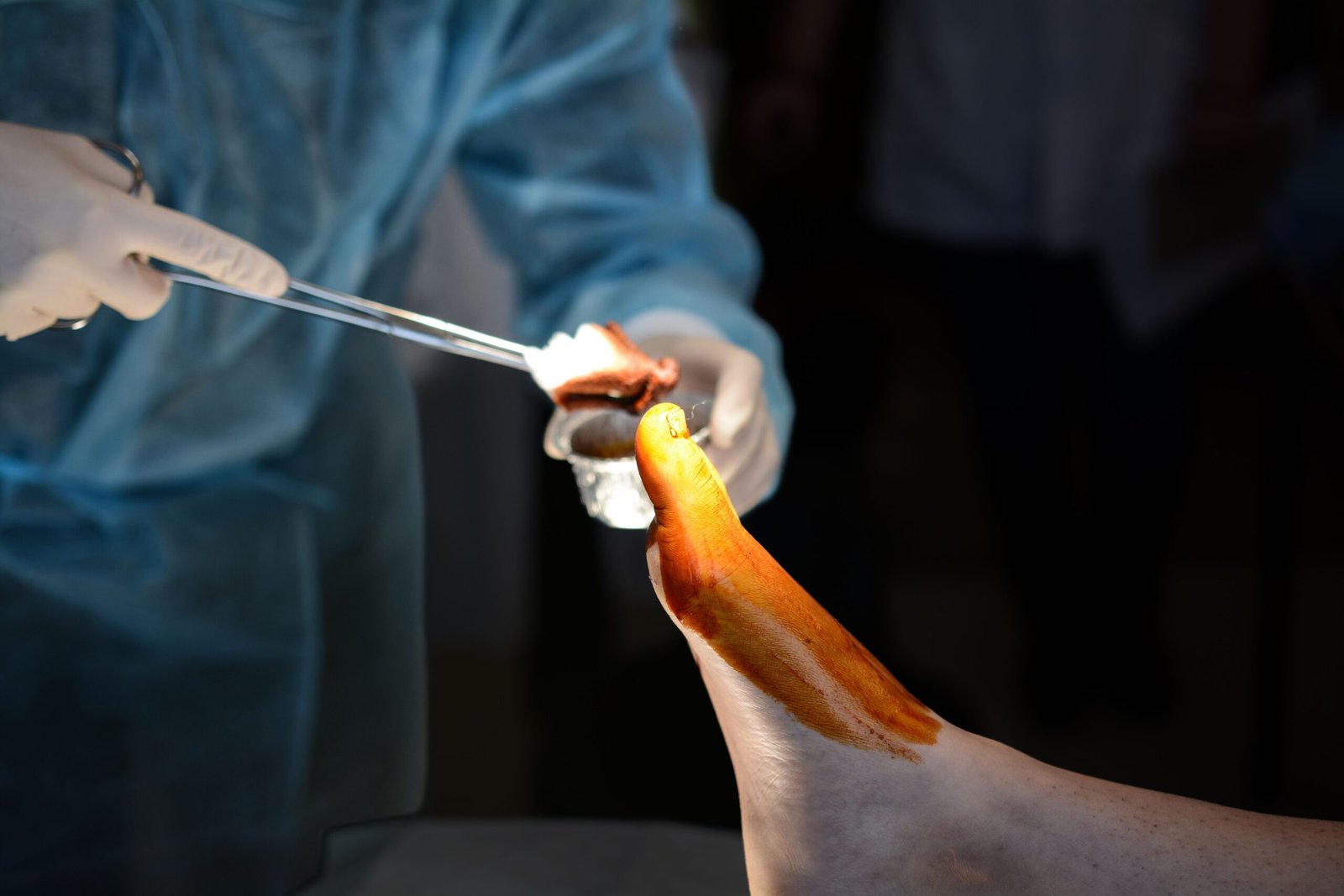
Knee and hip problems can make everyday activities such as walking, climbing stairs, sitting and standing increasingly difficult. Conditions like osteoarthritis, severe joint damage and certain injuries may cause persistent pain and restrict movement. When medicines, physiotherapy and other non-surgical treatments no longer provide sufficient relief, joint replacement surgery may be considered.
Andhra Pradesh has healthcare facilities where patients can consult orthopedic specialists about modern knee and hip replacement procedures. Understanding the available treatments, surgical approaches and recovery process can help patients make informed decisions about their joint health.
What Is Knee and Hip Replacement Surgery?
Knee and hip replacement are orthopedic procedures in which damaged joint surfaces are replaced with artificial components called implants.
The purpose is to reduce pain, improve joint function and help patients regain mobility. These procedures are generally considered when joint damage is significant and other treatment options have not provided adequate relief.
The decision to undergo surgery depends on the patient’s symptoms, medical history, imaging results, overall health and expectations.
Advanced Knee Replacement Treatments
Knee replacement surgery may be recommended for people experiencing severe knee joint damage, particularly when it affects their ability to perform everyday activities.
1. Total Knee Replacement
Total knee replacement involves replacing the damaged surfaces of the knee joint with artificial components. It is commonly considered for patients with advanced arthritis or extensive joint damage.
The procedure aims to reduce pain and improve movement. The type of implant and surgical plan depend on the patient’s anatomy and clinical condition.
2. Partial Knee Replacement
Partial knee replacement may be suitable when damage is limited to one compartment of the knee.
Unlike total knee replacement, this procedure preserves the healthy portions of the joint. However, not every patient is suitable for it. An orthopedic specialist must assess the extent and location of the damage before recommending this option.
3. Computer-Assisted Knee Replacement
Computer-assisted techniques may help surgeons plan and perform certain aspects of knee replacement with additional technological guidance.
Depending on the system used, this technology can support surgical planning and assessment of implant alignment. Its availability and suitability vary between hospitals and patients.
4. Robotic-Assisted Knee Replacement
Robotic-assisted technology may be used in selected knee replacement procedures. It can help surgeons plan implant positioning and guide specific surgical steps.
The surgeon remains responsible for the procedure. Robotic assistance is not necessary or appropriate for every patient, and outcomes depend on several factors, including the patient’s condition and rehabilitation.
Advanced Hip Replacement Treatments
Hip replacement surgery is considered when damage to the hip joint causes persistent pain, stiffness and difficulty with movement.
1. Total Hip Replacement
Total hip replacement involves replacing the damaged ball and socket components of the hip joint with artificial implants.
It may be recommended for patients with advanced osteoarthritis, certain fractures, avascular necrosis or other conditions that severely affect the joint.
The choice of implant depends on factors such as age, activity level, bone quality and medical history.
2. Partial Hip Replacement
Partial hip replacement involves replacing the ball portion of the hip joint while retaining the natural socket.
It is commonly considered for selected hip fractures, particularly in older adults. The appropriate procedure depends on the type of fracture, the patient’s health and the surgeon’s assessment.
3. Minimally Invasive Hip Replacement Approaches
Some surgeons use approaches designed to reduce disruption to surrounding soft tissues. Whether a minimally invasive approach is suitable depends on the patient’s anatomy, joint condition and the surgeon’s experience.
Patients should understand that smaller incisions do not automatically guarantee faster recovery or better results.
Conditions That May Require Knee or Hip Replacement
Joint replacement may be considered for several conditions when damage becomes severe and significantly affects daily life.
- Osteoarthritis: Gradual deterioration of joint cartilage that can cause pain, stiffness and reduced movement.
- Rheumatoid arthritis: An inflammatory condition that can damage joints over time.
- Avascular necrosis: Reduced blood supply to bone tissue, which may lead to bone damage and joint collapse.
- Severe joint injuries: Certain fractures or injuries can cause lasting damage to the knee or hip.
- Advanced joint degeneration: Extensive damage that affects mobility and everyday activities.
Not everyone with these conditions requires surgery. Treatment decisions should be based on a specialist assessment.
How to Choose the Best Orthopedic Hospital in Guntur
Selecting the right hospital is an important part of planning joint replacement treatment. Patients searching for the best orthopedic hospital in Guntur should consider more than location or promotional claims.
Here are some factors worth reviewing:
1. Orthopedic Specialist Experience
Check the qualifications, registration and experience of the orthopedic surgeon. Ask about their experience with the specific knee or hip procedure being considered.
2. Diagnostic Facilities
Accurate assessment is essential before surgery. Ask whether the hospital can arrange appropriate imaging and preoperative investigations or coordinate them when required.
3. Surgical and Anesthesia Support
Joint replacement requires a coordinated medical team. Patients should understand the surgical arrangements, anesthesia assessment and measures used to manage potential complications.
4. Physiotherapy and Rehabilitation
Rehabilitation plays an important role after knee and hip replacement. Ask whether physiotherapy support and postoperative mobility guidance are available.
5. Infection Prevention and Patient Safety
Patients should enquire about hospital hygiene, infection-control procedures, postoperative monitoring and how complications are managed.
6. Transparent Treatment Costs
Before making a decision, request a clear estimate covering the procedure, implant, hospital stay, investigations, medicines and rehabilitation where applicable.
Finding an Orthopedic Hospital in Andhra Pradesh
Patients across the state may compare hospitals in cities such as Guntur, Vijayawada, Visakhapatnam and other nearby locations.
When researching an orthopedic hospital in Andhra Pradesh, consider the following:
- Availability of qualified orthopedic specialists.
- Experience with the required joint replacement procedure.
- Access to suitable diagnostic facilities.
- Surgical and anesthesia support.
- Postoperative monitoring and rehabilitation arrangements.
- Hospital location and travel convenience.
- Clear communication about treatment risks and costs.
Patients should also ask whether follow-up appointments can be arranged conveniently after returning home.
What Happens Before Knee or Hip Replacement Surgery?
Preparation helps the medical team understand the patient’s condition and identify potential risks.
The process may include:
- Medical consultation: The orthopedic specialist reviews symptoms, medical history and previous treatments.
- Physical examination: Joint movement, pain and functional limitations are assessed.
- Imaging tests: X-rays or other investigations may be recommended to evaluate joint damage.
- Health assessment: Blood tests and other investigations help assess fitness for surgery.
- Medication review: The doctor reviews existing medicines and advises whether any adjustments are necessary.
- Surgical planning: The surgeon discusses the recommended procedure, implant options, expected recovery and possible complications.
Patients should share information about existing health conditions, allergies and medicines before surgery.
Recovery After Knee and Hip Replacement
Recovery is an important part of joint replacement treatment. The timeline varies depending on the procedure, age, general health and individual healing.
Early Recovery
Patients may begin assisted movement and walking when the medical team considers it safe. Pain management, wound care and monitoring are important during this stage.
Physiotherapy and Mobility Training
A physiotherapist may recommend exercises to improve strength, flexibility and joint movement. Patients should follow the prescribed rehabilitation plan rather than attempting strenuous activities independently.
Returning to Daily Activities
Gradual improvements in walking and daily activities may occur over time. Patients should follow medical advice about driving, climbing stairs, returning to work and resuming exercise.
Long-Term Joint Care
Maintaining a healthy weight, staying physically active within medical guidance and attending follow-up appointments can support long-term joint health.
Possible Risks and Complications
Like any major surgery, knee and hip replacement procedures involve potential risks. These may include:
- Infection.
- Blood clots.
- Bleeding.
- Joint stiffness.
- Persistent pain.
- Nerve or blood vessel injury.
- Implant loosening or wear over time.
- Dislocation, particularly after certain hip replacement procedures.
The likelihood of complications varies between patients. An orthopedic surgeon should explain the relevant risks and precautions before treatment.
Why Rehabilitation Matters After Joint Replacement
Surgery is only one part of the treatment process. Rehabilitation helps patients gradually rebuild strength and improve movement.
A structured recovery plan may include:
- Gentle movement exercises.
- Walking with appropriate support.
- Muscle-strengthening activities.
- Balance and coordination training.
- Guidance on safe daily movements.
- Regular progress assessments.
Patients should avoid rushing their recovery. Exercises and activity levels must be adjusted according to the surgeon’s and physiotherapist’s instructions.
Final Thought
Advanced knee and hip replacement treatments can help suitable patients manage severe joint damage and improve mobility. Happy Hospitals is one option patients can explore when researching orthopedic care in Guntur. Visit the Happy Hospitals to learn more and enquire about available treatment services.