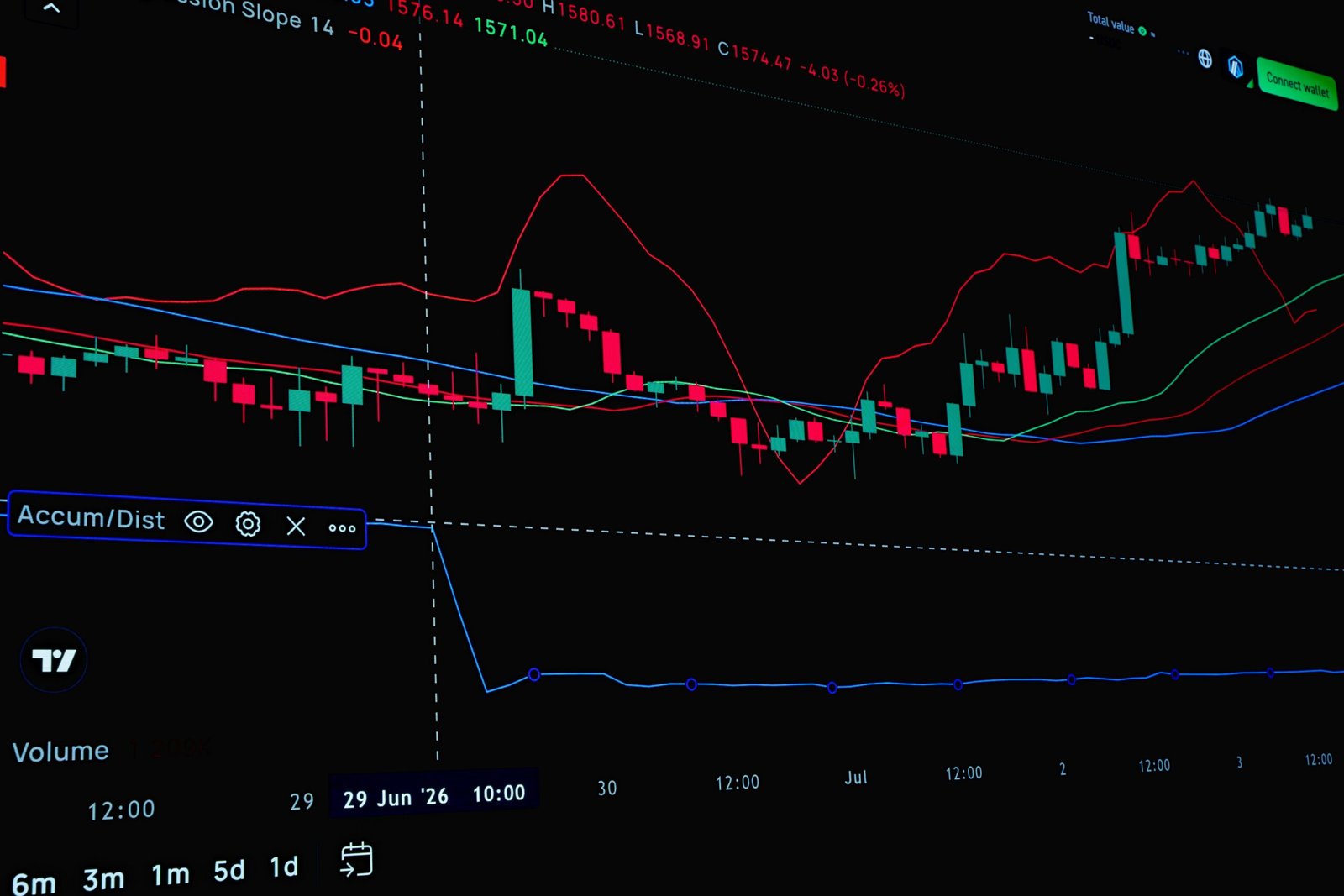
Financial markets can seem complicated when you are just starting out. Stock prices move up and down, economic news influences investor decisions, and terms such as shares, bonds and commodities can feel unfamiliar. However, understanding the basics can make it easier to follow market activity and make informed financial decisions.
Whether you are interested in long-term investing or learning how trading works, the first step is knowing how financial markets operate.
What Are Financial Markets?
Financial markets are platforms where people and institutions buy and sell financial assets. These markets help businesses raise capital, governments borrow money and investors put their savings to work.
Common financial markets include:
- Stock markets: Where investors buy and sell shares of publicly listed companies.
- Bond markets: Where governments and companies raise money by issuing debt securities.
- Foreign exchange markets: Where currencies are traded against one another.
- Commodity markets: Where assets such as gold, silver, oil and agricultural products are traded.
- Cryptocurrency markets: Where digital assets such as Bitcoin and Ethereum are bought and sold.
Each market has its own characteristics, risks and trading mechanisms.
Trading vs Investment: What Is the Difference?
Although trading and investing both involve financial assets, their approaches are different.
Trading generally focuses on shorter-term price movements. Traders may buy and sell assets over minutes, days or weeks, depending on their strategy.
Investing usually involves holding assets for a longer period. Investors often focus on a company’s performance, financial health and potential for long-term growth.
Neither approach guarantees profits. The right choice depends on an individual’s financial goals, experience, available time and tolerance for risk.
How Do Financial Markets Work?
Market prices are influenced by supply and demand. When more participants want to buy an asset than sell it, its price may rise. When selling pressure increases, the price may fall.
Several factors can influence these movements:
- Interest rate decisions by central banks
- Inflation and employment reports
- Company earnings and business performance
- Political and economic developments
- Global events and investor sentiment
Understanding these influences helps beginners look beyond daily price changes and consider the wider market environment.
Important Things Beginners Should Learn
Before putting money into financial markets, take time to understand basic concepts such as market orders, limit orders, diversification, volatility and liquidity.
It is also important to learn how brokerage accounts work, understand transaction costs and research the assets being considered. Beginners can explore educational resources and market information through platforms such as nyctrading us.
Managing Risk Before Investing
Every financial market involves some level of uncertainty. Prices can change unexpectedly, and investors may lose part or all of the money they put into certain investments.
A few sensible habits can help manage risk:
- Avoid investing money needed for essential expenses.
- Research an asset before buying it.
- Diversify rather than depending on a single investment.
- Be cautious with borrowed money and leveraged trading.
- Understand fees, taxes and potential losses.
- Avoid making decisions based only on social media tips or market rumours.
Beginners should also consider practising with a demo account before attempting active trading with real money.
Final Thought
Learning about financial markets takes time, patience and consistent research. Start with the fundamentals, understand the risks and avoid rushing into trades. A well-informed approach is more valuable than chasing quick profits.
